
The second World Humanoid Robot Games wrapped up recently, and two of C Capital's portfolio companies had a standout showing. AGIBOT walked away with 46 medals in total—18 gold, 16 silver and 12 bronze—enough to top both the gold and overall medal counts. AGILINK, whose mass-produced robotic hand, OmniHand, competed in the Games' new dexterous-hand category, took home seven of the eight available gold medals, a result C Capital says speaks to how far Chinese robotics has come, not just in building complete humanoid systems but in the fine-grained components that make them work—and in manufacturing both at scale.
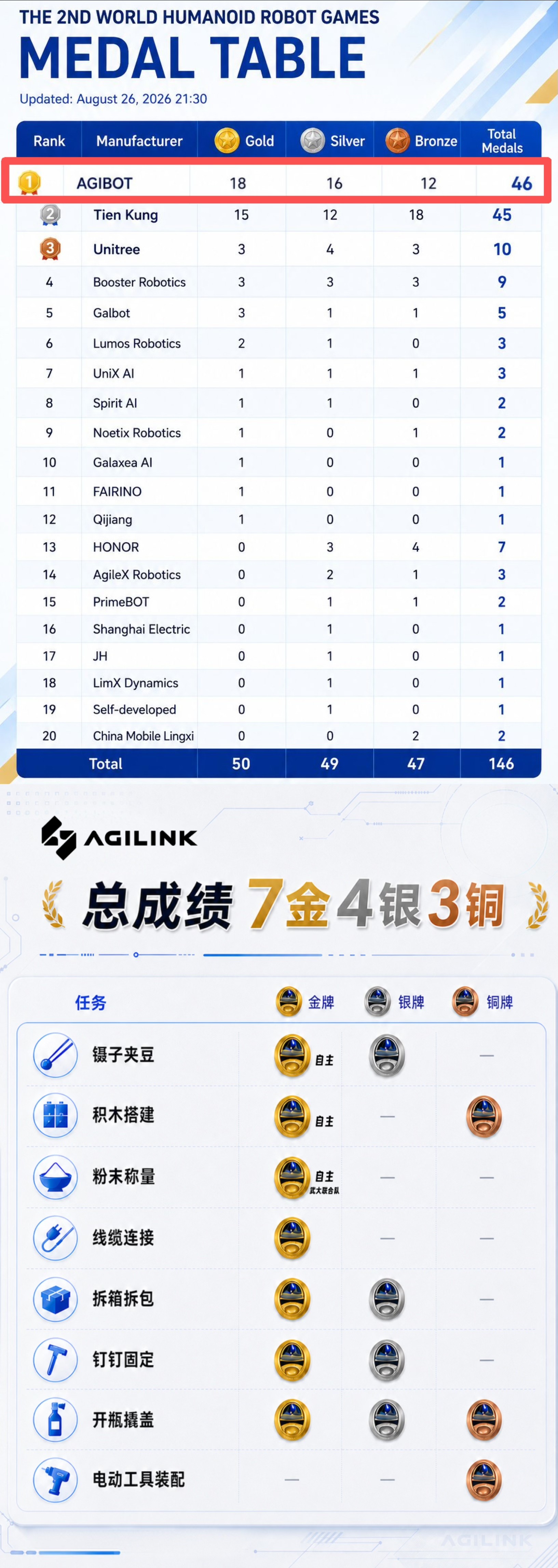
Figure 1: C Capital's portfolio companies shine at the Second World Humanoid Robot Games. Source: AGIBOT, AGILINK
AGIBOT's robots dominated across categories: six golds in a twelve scenario-based Events; five more in a competition Events; and seven golds contributed by its AGILINK-made robotic hands.
The task-based events were designed to mimic real work.
AGIBOT picked up five golds for tasks modeled on hotel service, library work and emergency response. The robot behind those wins, G2, isn't a one-off built for competition—it's already on factory floors at companies like Longcheer Technology and SAIC. Its software draws on AGIBOT's in-house AI systems: a embodied foundation model called GO, a "world model" called GE, and a distributed learning system, all aimed at helping the robot understand its surroundings, plan ahead, and carry out complicated tasks without hand-holding.

Figure 2: AGIBOT's G2 robot performs a library-scenario task. Source: AGIBOT
None of the robots AGIBOT and AGILINK entered—OmniHand, G2, A3, X2—were custom-built for the Games. They're existing commercial products. AGIBOT says that's the point: the medal count reflects what these machines can actually do in practice, from delicate manipulation to full-body coordination, not what they can do under ideal competition conditions.
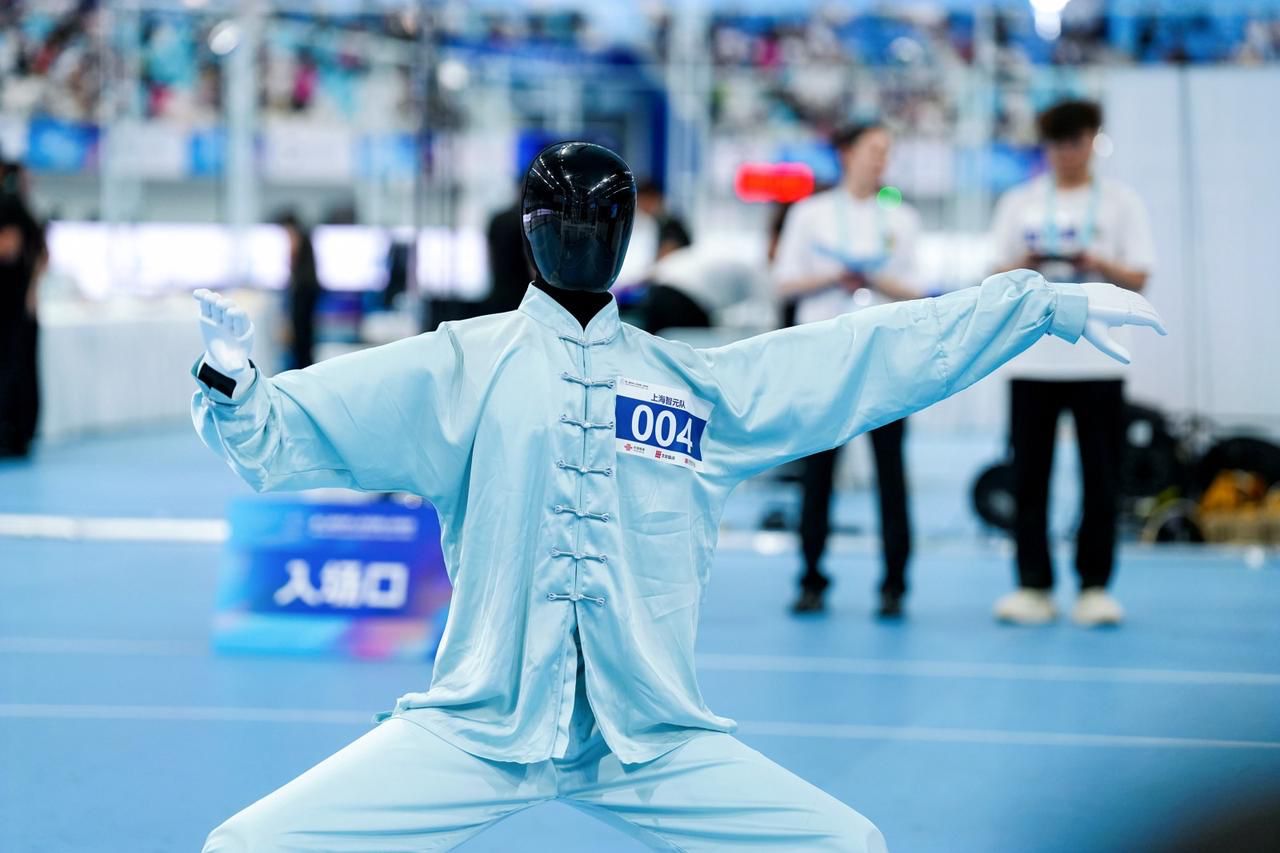
Figure 3: AGIBOT's A3 robot competes in a tai chi event. Source: AGIBOT
This year marked the first time the Games included a dedicated dexterous-hand competition, with events like weighing out powder, opening bottles, unpacking boxes and stacking blocks—tasks that demand real fine-motor control. AGILINK's OmniHand competed in all eight events and won seven golds, four silvers and three bronzes, more gold medals than any other entrant. The hand runs on AGIBOT's DUET architecture, which blends positional control with a sense of touch, and it's built to work with outside software as well as AGIBOT's own.
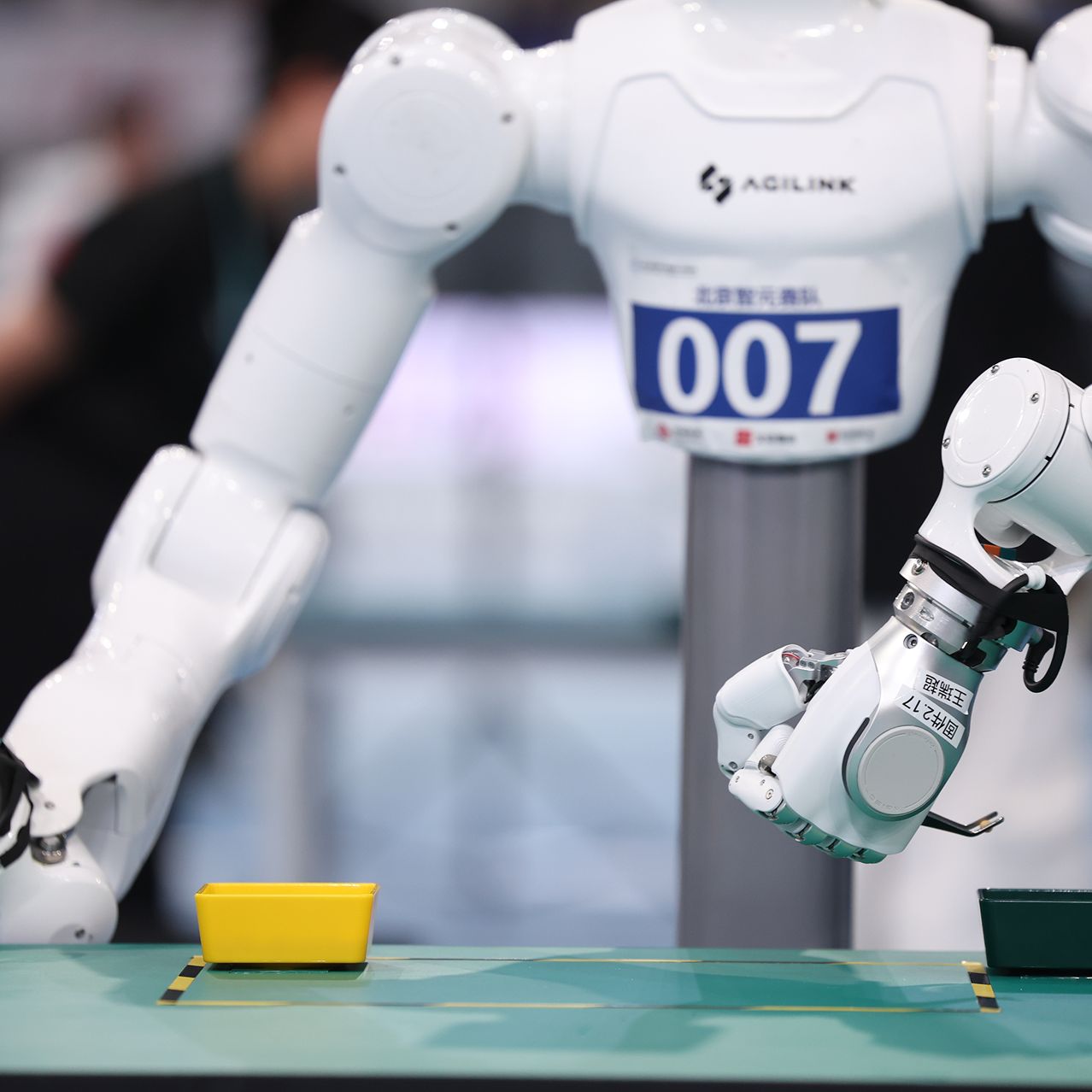
Figure 4: AGILINK's dexterous hand competes in a Tweezers Bean Picking. Source: AGILINK
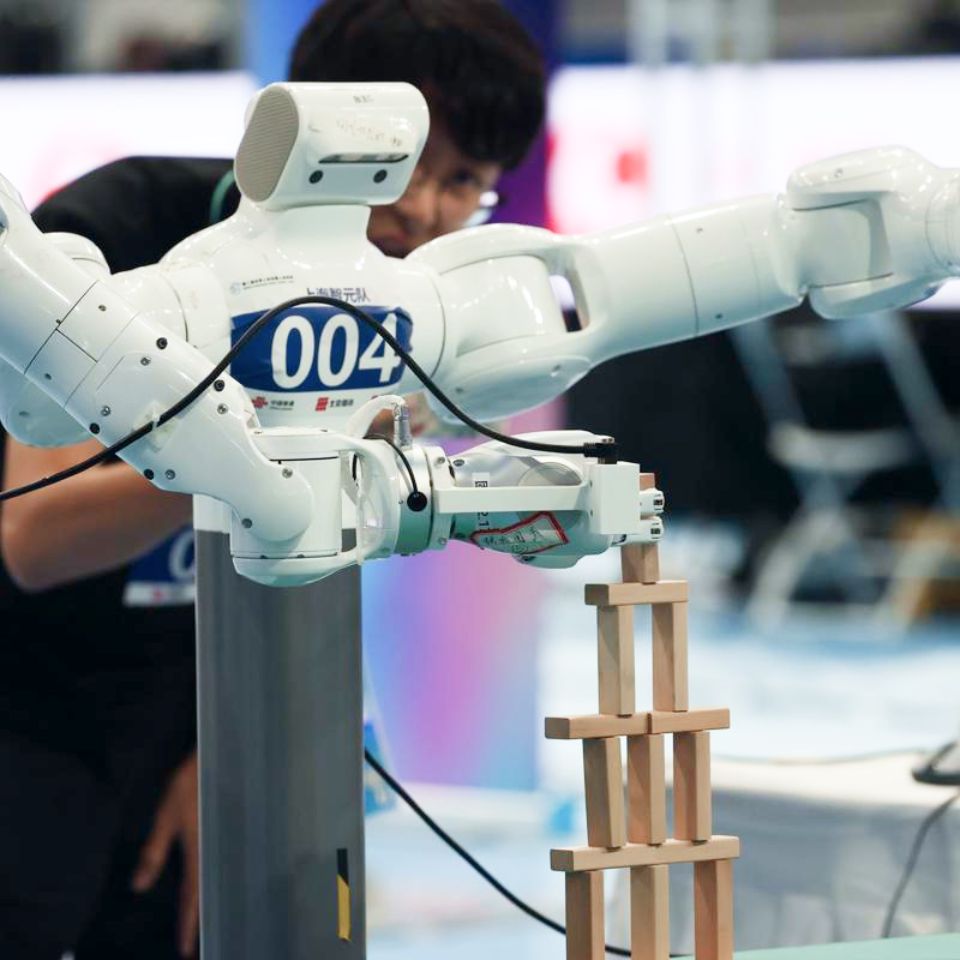
Figure 5: AGILINK's dexterous hand competes in a block building event. Source: AGILINK
AGIBOT has become one of China's leading names in humanoid and industrial robotics, and its growth has been fast even by the standards of a fast-moving industry. The company built just six prototypes in 2023. Mass production began the following August. By January 2025 it had shipped 1,000 units; by year's end, 5,000; by March 2026, 10,000; and this past June, its 15,000th robot rolled off the line. Several of its models—Genie G2, Expedition A3, Lingxi X2 among them—are now doing real work on factory floors, including at Longcheer Technology, with a task success rate the company puts at 99.99 percent.
AGILINK, for its part, specializes in the robotic hands that let humanoid machines actually grip and manipulate objects—arguably the hardest part of the job. Founded only in January 2026, it has already delivered more than 8,000 OmniHand units and over 10,000 grippers overall, led the Chinese market in dexterous-hand shipments in the first quarter of the year, and turned a profit in its very first full quarter of operation—an unusual feat for a hardware startup. In June, it unveiled a flagship fully direct-drive dexterous hand, the OmniHand 3 Ultra-M, at the ICRA robotics conference, boasting 20 active degrees of freedomand notably quicker force-control bandwidth. The company has raised four funding rounds in under five months, pushing its valuation past $1 billion and making it one of the fastest-growing startups in the field.
C Capital backed both companies early. It joined AGIBOT's funding round in December 2023 and invested in AGILINK from the moment it was founded, adding money in later rounds as well. The firm frames the two companies as complementary bets: AGIBOT builds the robots, AGILINK builds the hands, and both have prioritized real-world usefulness over flashy one-off demonstrations. Their success at the Games, C Capital argues, shows that humanoid robotics has crossed a threshold—from lab experiment to industrial tool.
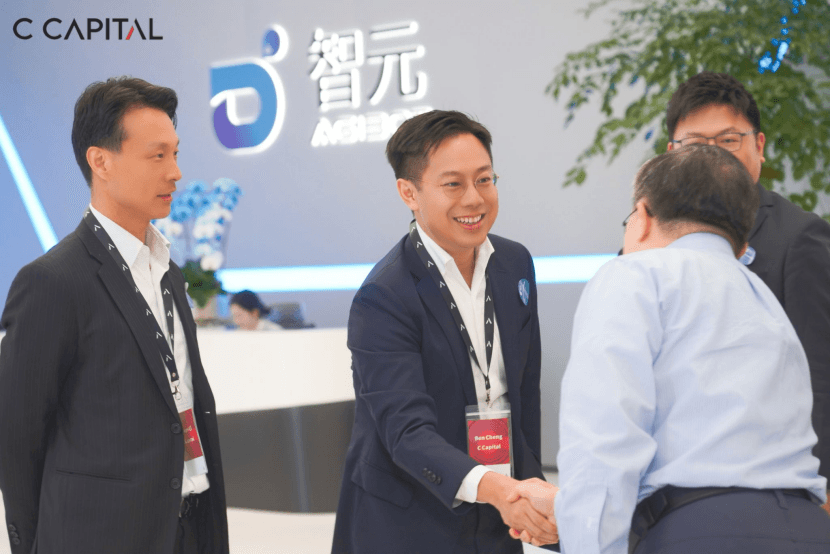
Figure 6: C Capital Chairman and CEO Ben Cheng tours AGIBOT's facilities. Source: C Capital
For C Capital, the medal haul is validation of years spent betting on hard-tech sectors. Beyond AGIBOT and AGILINK, its physical-intelligence portfolio includes companies like Anyverse Dynamics, giving it a stake across the entire supply chain. Its wider technology investments include Biren Technology, SenseTime, XPeng and NIO. In embodied intelligence specifically, the firm invested early in the German robotics company Agile Robots and led Noematrix’s Series A financing round worth several hundred million yuan in early 2026—investments that together cover everything from chips to software to finished vehicles. Looking ahead, C Capital says it plans to keep investing in this space, with a particular focus on manipulation, movement control and the AI systems that serve as robots' "brains," as it works to help humanoid robots move from research labs into everyday industrial use.


